Belle de Jour Florist
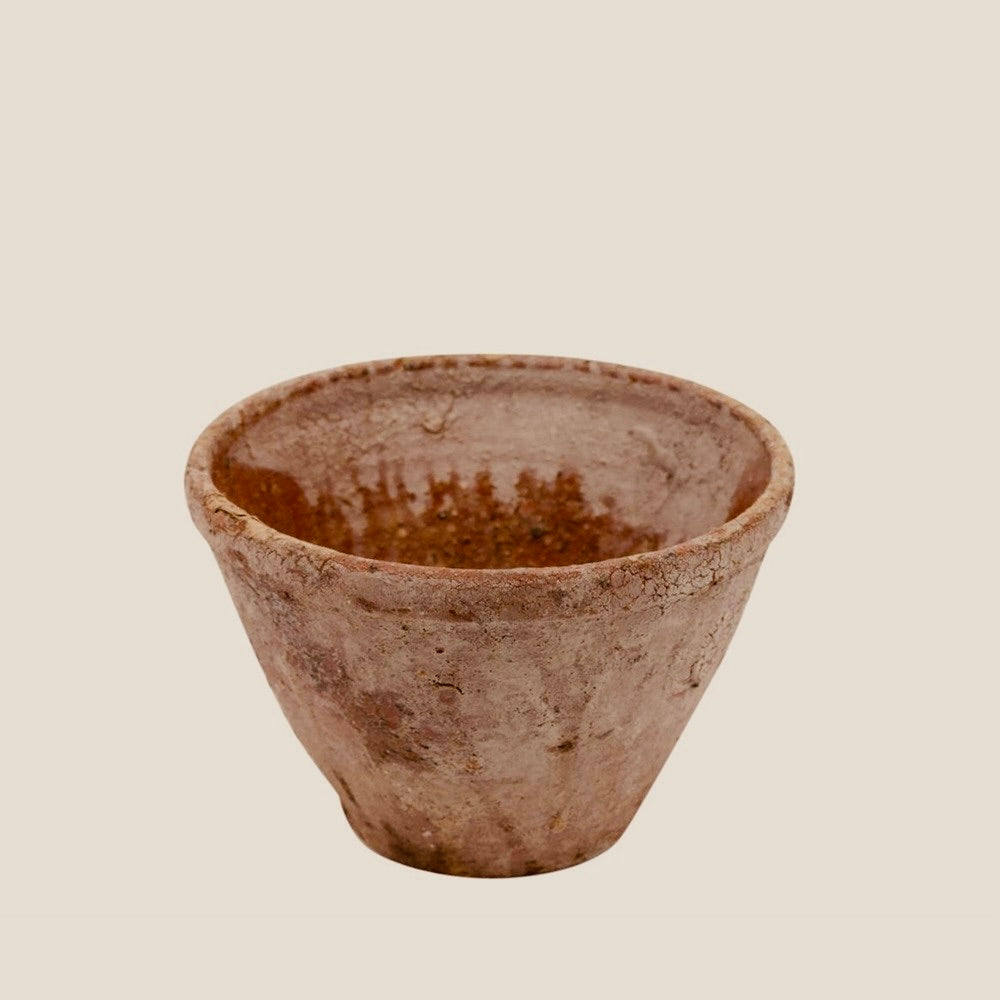
Maranta - House Plant
Maranta - House Plant
Regular price
£37.00 GBP
Regular price
Sale price
£37.00 GBP
Shipping calculated at checkout.
Quantity
Couldn't load pickup availability
To care for a maranta (prayer plant), keep the soil consistently moist but never waterlogged. Provide bright, indirect light, 60–80% humidity, and temperatures between 65–85°F. Always use filtered or distilled water, as marantas are highly sensitive to tap water chemicals that cause brown leaf tips.
Key Care Requirements
1. Watering and Soil
Marantas thrive on moisture but are highly susceptible to root rot.
 The Spruce
The Spruce
Watering: Water deeply when the top 1–2 inches of soil feel dry. Use room-temperature distilled, filtered, or rainwater. If you must use tap water, let it sit out overnight to allow chlorine to evaporate
Soil: Use a well-draining, moisture-retentive mix. A great blend combines 2 parts high-quality potting mix, 1 part perlite, and 1 part orchid bark for aeration and root structure.

2. Light and Environment
Light:
Place in bright, indirect sunlight. Direct sunlight will scorch and wash out the delicate, colorful leaves, while too little light causes stems to stretch and colors to fade
Humidity: These are tropical plants that love humidity (ideally 60–80%). Place them on a pebble tray filled with water, group them with other houseplants, or run a humidifier nearby.
3. Temperature and Feeding
Temperature: Keep the room between 65°F and 85°F. Keep them away from cold drafts, air conditioning vents, and heaters, which can cause leaves to dry out and crisp.
Fertilizer: Feed every two weeks during their active growing season (spring and summer) using a balanced houseplant fertilizer diluted to half-strength. Reduce feeding to once a month or stop entirely in the winter.
Maintenance and Propagation
Pruning: Trim yellow leaves and leggy stems with clean, sharp scissors to encourage bushier, fuller growth.
Repotting: Repot every 1–2 years in the spring using a pot that is only 1–2 inches larger in diameter.
Propagation: You can easily propagate them by dividing the root ball during repotting, or by snipping a stem cutting (with at least one node) and rooting it in water.
Common Signs of Trouble
Curling or drooping leaves: The plant is either too cold, needs more humidity, or is thirsty.
Crispy brown edges: Usually a sign of dry air or tap water sensitivity
Mushy stems or yellowing foliage: A sign of overwatering and potentially root rot.